The rumble of sirens, the chilling headlines, the quiet despair in a neighbor's eyes – violence is a pervasive shadow in our world. But what if we told you it's far more than just individual acts of aggression or isolated criminal events? What if we reframed it, not merely as a law enforcement issue, but as a public health crisis demanding a comprehensive, societal response? That’s precisely what understanding the full Societal Impact and Violence entails.
From physical abuse to the insidious grip of emotional manipulation, from a harsh verbal attack to the crushing weight of systemic oppression, violence touches us all, directly or indirectly. You might be a survivor, a witness, or simply someone hearing about it on the news. Either way, its ripple effects are undeniable, shaping our health, our communities, and our collective future. The World Health Organization (WHO) paints a stark picture, estimating that over 1.6 million people die from violence globally each year. That's a staggering human cost, but the true burden extends far beyond fatalities.
At a Glance: Understanding the Crisis
- Pervasive Threat: Violence isn't just physical; it includes emotional, verbal, and systemic harm, affecting individuals and communities globally.
- Disproportionate Burden: Certain groups, like Black youth and low-income communities, face significantly higher rates of exposure.
- Widespread Types: From child abuse to cyberbullying, intimate partner violence to gun violence, the forms are varied and devastating.
- Devastating Impacts: Violence leads to severe physical, mental, social, and economic consequences across a lifetime.
- Public Health Imperative: Addressing violence requires moving beyond criminal justice to a proactive, public health approach focused on prevention and resilience.
- Multi-faceted Solutions: Effective strategies involve education, community building, survivor support, and tackling root causes like poverty and inequality.
Beyond the Headlines: Why Violence is a Public Health Crisis
When we talk about violence, it's easy to picture the most extreme manifestations – a street fight, a mass shooting. But the term encompasses a much broader spectrum of harm. It’s physical abuse, certainly, but also the corrosive effects of emotional manipulation, the sting of verbal attacks, and the insidious nature of systemic oppression that denies individuals basic rights and opportunities. All these forms chip away at human dignity and well-being.
Globally, the statistics are grim. The WHO's estimate of 1.6 million annual deaths is just the tip of the iceberg. Millions more suffer life-altering injuries and trauma. And while violence is a universal problem, its burden isn't evenly distributed. Certain groups bear the brunt disproportionately. For instance, Black adolescents and young adults consistently face higher national homicide rates than their White counterparts. Similarly, low-income neighborhoods grapple with more crime, including property offenses and community gun violence, which disproportionately affects Black and Hispanic/Latino communities.
This uneven distribution isn't accidental; it's often rooted in historical inequities, systemic injustices, and a lack of resources that leave certain populations more vulnerable. Understanding this context is crucial, because it highlights that violence isn't just a series of individual choices, but a complex societal problem shaped by environment, opportunity, and access to safety.
The Echoes of Harm: How Violence Ripples Through Our Lives
The immediate pain of violence is just the beginning. Its effects linger, often for a lifetime, manifesting in profound ways across individuals and entire communities. Think of it as a stone dropped into a pond, creating ever-widening circles of impact.
The Body Keeps Score: Physical & Neurological Impacts
The most visible consequence of violence is often physical injury, ranging from minor scrapes to debilitating disabilities. In the worst cases, it leads to death. But even when visible wounds heal, internal damage can persist. Head trauma, for instance, can cause neurological injuries that affect cognitive function, memory, and even personality, profoundly altering who a person is.
Beyond direct injury, exposure to violence significantly increases the risk of chronic diseases. Survivors are more susceptible to asthma, hypertension, cancer, stroke, heart disease, and diabetes. Reproductive issues can also arise, adding another layer of complex health challenges. The stress and trauma literally embed themselves in the body, triggering chronic inflammation and disrupting vital systems.
Invisible Wounds: Psychological & Emotional Toll
While physical scars may fade, psychological and emotional wounds often run deeper. Mental distress, a reduced quality of life, and the debilitating grip of post-traumatic stress disorder (PTSD) are common. Depression, anxiety, and suicidal ideation frequently follow periods of violence. Survivors may also struggle with disordered eating, substance abuse, and chronic sleep disturbances as coping mechanisms.
Adverse Childhood Experiences (ACEs), which include child abuse and neglect alongside other forms of household dysfunction and violence exposure, are a particularly powerful predictor of lifelong chronic disease and mental disorders. Children and adolescents exposed to violence – whether as victims, witnesses, or even just hearers – are at a significantly higher risk for poor long-term behavioral and mental health outcomes. The trauma of early life violence can fundamentally alter brain development and stress response systems, leading to enduring challenges.
Frayed Connections: Social & Behavioral Consequences
Violence erodes the very fabric of our social lives. Survivors often struggle with trust, leading to social isolation and difficulties forming healthy relationships. Children and adults exposed to violence may experience impaired academic and workplace performance, grappling with concentration issues, memory problems, and decreased productivity.
Perhaps one of the most tragic consequences is the intergenerational transmission of trauma. Individuals who experience violence in their youth are more likely to perpetrate or experience violence in adulthood, perpetuating a cruel cycle. Breaking this cycle requires intentional intervention and support.
When Communities Crumble: Neighborhood & Societal Costs
The impact of violence extends far beyond the individual, permeating entire communities. Gun-related violent crime in a neighborhood, for example, has been linked to reduced use of public spaces like parks, leading to decreased physical activity and poorer health outcomes. When people feel unsafe, they withdraw. Higher neighborhood safety fears directly correlate with poorer self-rated physical and mental health among residents.
Increased crime rates are also linked to adverse pregnancy outcomes, highlighting the pervasive stress violence inflicts on expectant parents. On a broader scale, violence can fray social cohesion, eroding the trust essential for a thriving community. It can destabilize property values, deter new businesses, and contribute to existing businesses relocating, further exacerbating economic hardship and despair. When we see the devastating effects of organized crime, like the activities sometimes attributed to the Jalisco cartel explained, we understand how deeply such violence can compromise security and daily life on a large scale.
The Price Tag of Pain: Economic Burdens
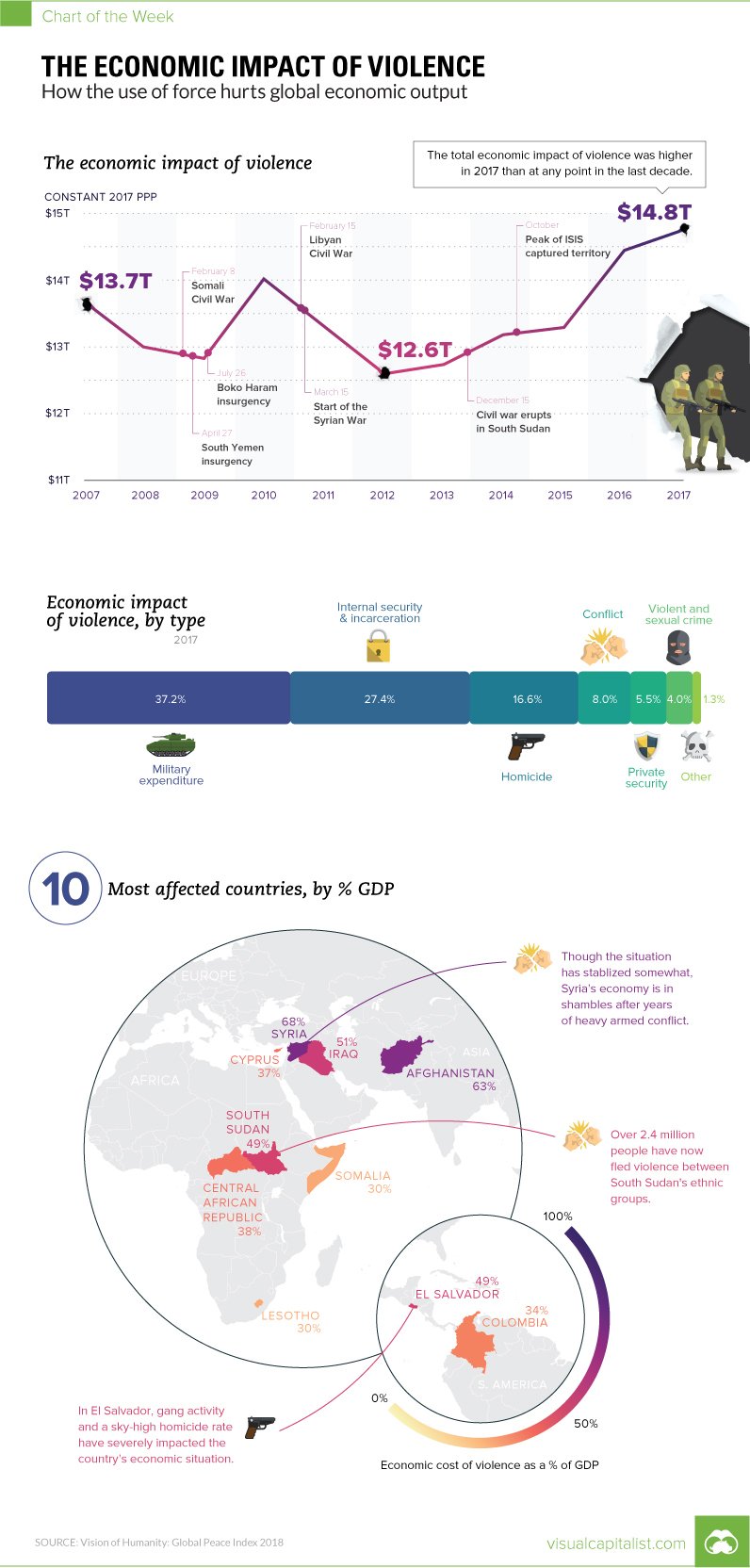
The costs of violence are astronomical, burdening healthcare systems, the economy, and the criminal justice system alike. Medical expenses for injuries, treatment for chronic conditions, and mental health services add up to billions. Billions more are lost due to decreased productivity from absenteeism, disability, and premature death.
The criminal justice system also bears a significant load, from law enforcement to courts and incarceration. This economic burden is a heavy drag on societal progress. Moreover, violence perpetuates a cycle with poverty: economic hardship can increase the risk of violence, and in turn, violence limits economic opportunities, trapping individuals and communities in a downward spiral.
Shifting Our Focus: Why a Public Health Approach Matters
For too long, society has viewed violence primarily through a criminal justice lens – focusing on punishment after the fact. While accountability is vital, this reactive approach often fails to address the underlying causes and prevent future harm. This is where the public health framework offers a powerful paradigm shift.
Imagine tackling an infectious disease. You wouldn't just treat the sick; you'd also work to understand how it spreads, vaccinate populations, improve sanitation, and educate people on prevention. The public health approach to violence applies the same logic:
- Prevention First: Proactively stop violence before it starts.
- Root Cause Analysis: Identify and address the social, economic, and environmental factors that contribute to violence.
- Population-Level Solutions: Implement strategies that benefit entire communities, not just individuals.
- Building Resilience: Empower individuals and communities to withstand challenges and thrive.
- Fostering Protective Environments: Create safe, supportive spaces where violence is less likely to occur.
This approach means focusing on reducing susceptibility to violence by fostering healthy gender norms, developing healthy relationships, and promoting positive coping mechanisms. It's about creating a societal infrastructure that nurtures peace and well-being.
Real-World Solutions: What Works to Prevent Violence
Adopting a public health approach isn't about ignoring law enforcement; it's about integrating multiple strategies for maximum impact. Here are some proven interventions and areas of focus:
Early Seeds: School-Based Programs
Children spend a significant portion of their formative years in school, making it an ideal setting for prevention. The Community Preventive Services Task Force (CPSTF) strongly recommends universal school-based programs. These initiatives focus on crucial life skills:
- Emotional Self-Awareness and Control: Helping children identify and manage their feelings.
- Social Problem-Solving: Teaching constructive ways to navigate conflicts and challenges.
- Teamwork and Empathy: Fostering cooperation and understanding others' perspectives.
By equipping young people with these tools, we can significantly reduce or prevent violent behavior before it escalates.
Healing After the Hurt: Hospital-Based Interventions
For individuals who have already experienced violent injury, the hospital can be a critical point of intervention to prevent re-injury. Hospital-based violence intervention programs (HVIPs) are proving highly successful and cost-effective. These programs:
- Screen for Risk: Identify patients admitted for violent injuries who are at high risk for future violence.
- Intensive Case Management: Provide comprehensive support, connecting survivors with resources like trauma-informed therapy, housing assistance, education, and job training.
- Offer a Lifeline: Provide a non-judgmental space for survivors to process trauma and build a path to safety.
These programs recognize that a hospital visit is often a unique opportunity to break the cycle of violence.
Addressing the Roots: Tackling Poverty, Inequality, and Lack of Opportunity
Violence rarely occurs in a vacuum. It flourishes in environments marked by deep-seated societal issues. Therefore, any effective prevention strategy must confront these root causes head-on:
- Poverty Reduction: Implementing policies that provide economic stability and opportunity can significantly reduce stressors that contribute to violence.
- Economic Equality: Bridging the gap between the rich and poor, ensuring fair wages and access to resources, lessens desperation and resentment.
- Educational Access: Providing quality education for all opens pathways to employment and self-sufficiency, reducing feelings of hopelessness.
- Job Creation: Meaningful employment offers purpose, dignity, and a stake in the community, reducing the allure of illicit activities.
These systemic changes are not quick fixes, but they are fundamental to creating a truly violence-resilient society.
Empowering Survivors: Support Systems and Safe Spaces
Supporting survivors is not just about healing; it’s about prevention. When survivors receive adequate care, they are better equipped to rebuild their lives and less likely to experience further victimization or perpetrate violence. Key support elements include:
- Trauma-Informed Therapy: Specialized counseling that understands the profound impact of trauma on the brain and body.
- Support Groups: Creating communities where survivors can share experiences, reduce isolation, and build collective strength.
- Safe Housing: Providing secure environments free from threats, which is particularly critical for those escaping intimate partner violence or elder abuse.
Access to these resources ensures that the journey to recovery is supported, rather than isolated.
Community as Healer: Fostering Connection and Conflict Resolution
Strong, connected communities are inherently more resilient to violence. Grassroots and community-based approaches are vital:
- Fostering Social Connections: Creating opportunities for neighbors to interact, build relationships, and develop a shared sense of responsibility for safety.
- Promoting Conflict Resolution Skills: Teaching mediation, negotiation, and de-escalation techniques at all levels, from families to neighborhood groups.
- Creating Safe Spaces: Designating areas (e.g., community centers, youth clubs) where people, especially youth, can gather free from the threat of violence and engage in positive activities.
- Mentorship Programs: Connecting at-risk youth with positive role models who can provide guidance and support.
These initiatives empower communities to become active agents in their own safety and well-being.
Knowledge is Power: Educating for Healthy Relationships
Education about healthy relationships begins early and continues throughout life. It’s about more than just "stranger danger"; it's about teaching:
- Emotional Regulation: How to manage strong feelings without resorting to aggression.
- Non-Violent Conflict Resolution: Strategies for disagreements that don't involve yelling, hitting, or manipulation.
- Consent and Boundaries: Understanding respect, personal space, and mutual agreement in all interactions.
- Identifying Red Flags: Recognizing unhealthy behaviors in relationships early on.
This foundational education builds a society less prone to cycles of abuse and disrespect.
Common Questions About Violence & Its Impact
You might have some lingering questions as you consider the depth of this issue. Here are some common ones, addressed simply:
Is violence only physical?
Absolutely not. Violence encompasses a broad spectrum of harm beyond physical injury. It includes emotional manipulation, verbal attacks, psychological abuse, and the systemic oppression that denies certain groups basic rights, opportunities, and safety. All these forms can inflict deep, lasting wounds, sometimes even more damaging than physical ones.
Can someone recover from severe trauma?
Yes, recovery is possible, though it's often a long and challenging journey. With the right support – including trauma-informed therapy, support groups, safe environments, and a robust social network – individuals can process their experiences, develop coping mechanisms, and heal. It’s important to remember that healing isn't about forgetting, but about integrating the experience into one's life in a way that allows for growth and future well-being.
How does systemic oppression relate to violence?
Systemic oppression creates environments where violence is more likely to occur and persist. When groups are marginalized based on race, socioeconomic status, gender, or other factors, they often face reduced access to education, healthcare, safe housing, and economic opportunities. This can lead to increased stress, desperation, feelings of hopelessness, and a breakdown of social structures, all of which are risk factors for various forms of violence, from interpersonal to community-level. Systemic oppression can also manifest as institutional violence, where policies and practices themselves cause harm.
Charting a Path Forward: Your Role in Creating Safer Communities
Understanding the societal impact of violence can feel overwhelming, but it's also empowering. Recognizing violence as a public health crisis shifts our perspective from reactive blame to proactive, compassionate problem-solving. It moves beyond individual pathology to systemic solutions.
Creating safer, healthier communities requires a comprehensive, multi-faceted approach. This isn't just a job for policymakers or law enforcement; it involves all of us.
- Advocate for Policy Changes: Support initiatives that address root causes like poverty, inequality, and lack of access to education and healthcare.
- Champion Grassroots Efforts: Get involved with community-based programs that foster social connection, teach conflict resolution, and create safe spaces.
- Support Survivors: Volunteer for or donate to organizations that provide trauma-informed therapy, safe housing, and other vital resources.
- Educate Yourself and Others: Learn about healthy relationships, emotional regulation, and non-violent communication, and share that knowledge.
- Challenge Harmful Norms: Speak up against sexism, racism, and other forms of discrimination that perpetuate environments of violence.
Ultimately, addressing violence across the entire life course demands continued research, innovative interventions, and a collective commitment to fostering resilience, promoting healthy relationships, and creating protective environments for everyone. By working together, we can move from merely surviving violence to truly thriving beyond it.