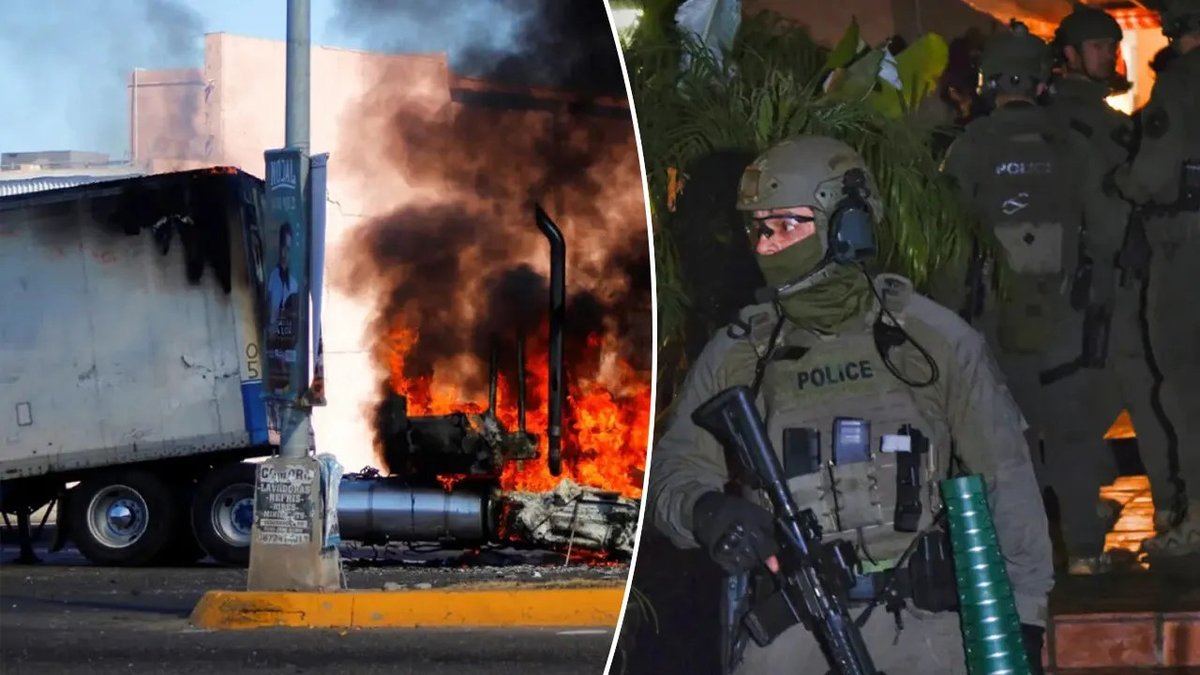
Mexico's nearly two-decade-long "Long War" against drug cartels is less a coordinated government offensive and more a complex, brutal saga of rivalries and conflicts with other cartels that constantly reshapes the country's criminal landscape. This relentless struggle, driven by ambition, greed, and the pursuit of power, has claimed thousands of lives—from politicians and students to journalists caught in the crossfire—and cast a long, dark shadow over daily life. Understanding this intricate web of alliances, betrayals, and open warfare is crucial to grasping the enduring challenge Mexico faces and the ripple effects felt globally.
At a Glance: Mexico's Cartel Wars
- A Decentralized Battle: Cartel violence is largely driven by turf wars and power struggles among criminal organizations, rather than solely against the state.
- Key Players: Major cartels like Sinaloa and CJNG dominate, but countless splinter groups and local gangs fuel localized conflicts.
- Shifting Alliances: Cartels are dynamic, constantly forging and breaking alliances to gain tactical advantages against rivals.
- High Stakes: The conflicts are over control of drug routes, production sites, and lucrative criminal enterprises like extortion, oil theft, and migrant smuggling.
- Widespread Impact: The violence results in immense human cost, corruption of public institutions, and significant pressure on U.S.-Mexico relations.
- Beyond Drugs: While drug trafficking remains core, cartels diversify into a broad spectrum of illicit activities, exacerbating competition.
The Relentless Grind: Why Cartels Clash
The notion of a monolithic, unified cartel is a myth. Instead, Mexico's criminal underworld is a shifting mosaic of organizations, each vying for supremacy in a brutally competitive market. At its core, the intense rivalries and conflicts with other cartels are a fight for control over territory, resources, and the illicit supply chains that generate billions.
Imagine the competition for market share in any legitimate industry, then strip away all laws, ethics, and regulatory bodies, replacing them with a code of violence. That's the reality of cartel rivalries. They battle fiercely over strategic corridors for drug transport—especially across the U.S. border—and key production areas for synthetic drugs like fentanyl and methamphetamine. Controlling a port, for instance, means direct access to global supply chains for precursor chemicals or cocaine shipments from South America, a prize worth killing for.
These conflicts aren't static; they evolve. A cartel's success often leads to fragmentation. When a leader is captured or killed—a "decapitation strategy" often employed by governments—the power vacuum frequently sparks internal disputes, leading to new splinter groups. These factions, once part of a larger entity, then become new rivals, adding more layers to the conflict. The vast profits generated by these illicit enterprises, coupled with deep-seated corruption, fuel this perpetual cycle. Cartels wield immense financial power, enabling them to bribe officials at every level, from local police to judges and politicians, further entrenching their grip and complicating any attempts to quell the violence.
The roots of this structure also run deep into Mexico's history. During the Institutional Revolutionary Party's (PRI) decades of single-party rule, cartels often operated under a corrupt but relatively stable system, cultivating networks of complicit officials. When the PRI's reign ended in 2000, this delicate balance shattered, unleashing an era of increased violence as cartels began to battle both each other and the government more openly for control. Furthermore, a significant international shift in the late 1980s, when U.S. agencies disrupted Caribbean drug routes, forced Colombian cartels to rely more heavily on Mexican groups as couriers. This move eventually empowered Mexican gangs to transition from mere transporters to dominant wholesalers, giving them an unprecedented share of the U.S. drug market and intensifying their internal competition for this lucrative new role.
The Major Players and Their Deadly Dance
To truly understand the dynamics of rivalries and conflicts with other cartels, you need to know the major players. These are the organizations that dominate Mexico's criminal landscape, constantly forging temporary alliances and engaging in bloody battles for control.
The Sinaloa Cartel: The Enduring Giant
Even after the 2017 extradition and subsequent life sentence of its infamous leader, Joaquín "El Chapo" Guzmán, the Sinaloa Cartel remains one of Mexico's oldest and most powerful groups. With strongholds in nearly half of Mexico's states and an international footprint spanning at least 47 countries, it boasts the largest global reach. Beyond its foundational role in fentanyl trafficking, Sinaloa diversifies heavily into extortion, migrant smuggling, oil and mineral theft, prostitution, and weapons trade. Its history is intertwined with numerous other groups, often as a parent organization from which rivals have splintered.
Jalisco New Generation Cartel (CJNG): The Ascendant Force
Exploding onto the scene after splintering from the Sinaloa Cartel in 2010, the Jalisco New Generation Cartel (CJNG) is among Mexico's fastest-growing and most aggressive organizations. It operates in two-thirds of the country, over three dozen countries globally, and all fifty U.S. states. CJNG is a prolific producer and trafficker of fentanyl, cocaine, and methamphetamine, also heavily involved in fuel theft, extortion, and migrant smuggling. A key to its rapid success and ongoing power struggles is its control over several critical Mexican ports, which grants unparalleled access to the global drug supply chain and puts it in direct contention with any rival seeking similar access. Their rapid expansion often brings them into direct conflict with established groups and local factions.
The Beltrán-Leyva Organization (BLO): A Fragmented Legacy
The Beltrán-Leyva Organization emerged from a significant split with the Sinaloa Cartel in 2008. Although all four founding brothers have since been arrested or killed, loyalists and splinter groups continue to operate. This fragmentation highlights a common trend: while the original entity may weaken, its autonomous offshoots can maintain considerable power and forge new alliances. Today, BLO splinter groups retain ties to powerful entities like CJNG, the Juárez Cartel, and Los Zetas, illustrating how yesterday's allies can become today's rivals, and vice-versa.
Los Zetas: From Enforcers to Independent Power
Originally formed as the paramilitary enforcement arm for the Gulf Cartel, Los Zetas were singled out by the DEA in 2007. Their transformation from muscle to an independent, brutal cartel marked a new phase in Mexican organized crime, known for extreme violence. Their ongoing rivalry with their former masters, the Gulf Cartel, has been particularly bloody and prolonged.
Guerreros Unidos (GU) & Los Rojos: BLO's Violent Offspring
Based in southwestern Mexico, Guerreros Unidos broke from BLO in 2009 and quickly established itself in the heroin trade. They've since forged strategic partnerships, notably with the CJNG, sharing transportation networks that facilitate drug shipments to and from the United States. Similarly, Los Rojos is another BLO splinter group, operating primarily in central and southwestern Mexico. This cartel relies heavily on kidnapping, extortion, and trafficking cocaine and heroin. Despite the arrests of several leaders between 2019 and 2020, Los Rojos remains active, and both it and Guerreros Unidos have been tragically linked to the infamous 2014 Ayotzinapa disappearances, highlighting the cartels' capacity for immense cruelty and their impact on civil society.
The Gulf Cartel: A Fractured Front
The Gulf Cartel's power base lies in Tamaulipas, a strategically vital border state. While it reportedly works with CJNG members in certain areas, it has also undergone significant internal fragmentation, leading to various factions warring amongst themselves and against their bitter rivals, Los Zetas. In a rare display of attempted unity, three warring Gulf factions announced a truce and alliance in 2021, illustrating the fluid and often desperate nature of cartel dynamics.
The Juárez Cartel: A Waning Rival
Long-standing rivals of the Sinaloa Cartel, the Juárez Cartel once held a formidable stronghold in Chihuahua, directly across from New Mexico and Texas—a critical transit point. However, their power significantly waned after the arrest of their leader, Vicente Carrillo Fuentes, in 2014. Like many organizations, it has since splintered into various factions, making it a weaker, albeit still present, force in the broader conflict.
La Familia Michoacána (LFM): The Cult-Like Cartel
Formed in the 1980s and based in Michoacán, La Familia Michoacána distinguished itself with a pseudo-religious ideology and extreme violence. Though some of its original leaders were taken down, the U.S. government designated its members in 2009, highlighting its persistent threat. The region of Michoacán remains a hotspot for various cartel conflicts, often involving LFM remnants or successor groups.
The Broader Impact: More Than Just a Gang War
The relentless rivalries and conflicts with other cartels extend far beyond the direct combatants, exacting a devastating toll on Mexican society and spilling over into international relations. This isn't just a criminal problem; it's a profound humanitarian crisis and a national security concern.
A Scourge on Civil Society
The violence is indiscriminate. Thousands of deaths annually include not only rival cartel members but also innocent civilians, politicians, students, and journalists attempting to report on the atrocities. Extortion, kidnappings, and forced disappearances become routine in cartel-controlled areas, dismantling the social fabric and instilling pervasive fear. Human rights organizations regularly criticize the Mexican government for widespread abuses committed by military and police forces in their own struggle against cartels, including torture and extrajudicial killings. This further erodes public trust and creates a breeding ground for vigilante justice, such as the "autodefensas" (self-defense groups) that have emerged in states like Guerrero and Michoacán to protect communities where state presence is weak. While these groups sometimes offer protection, they too have been implicated in rights abuses, demonstrating the complex moral landscape of the conflict.
Corruption and State Erosion
Cartels, flush with vast profits, wield corruption as a primary weapon. Bribing judges, police, and politicians isn't just opportunistic; it's a strategic investment that enables their operations, provides protection, and undermines the rule of law. This systemic corruption weakens Mexico's institutions from within, making it incredibly difficult for the government to effectively combat criminal organizations or provide basic security to its citizens. The lines between state power and cartel influence often blur, fostering an environment of impunity.
The U.S. Connection: Demand, Flow, and Policy
The U.S. plays a complex role in this crisis. As the primary consumer market for illicit drugs, American demand fuels cartel profits and the ensuing violence. Mexican DTOs dominate the import and distribution of cocaine, fentanyl, heroin, marijuana, and methamphetamine into the U.S., with Mexican suppliers producing most of the heroin and meth, and acting as key transporters for Colombian cocaine. Mexico, alongside China, is a leading source of fentanyl, a synthetic opioid fifty times more potent than heroin, which is largely responsible for the devastating opioid crisis in the U.S.
To counter this, the U.S. partners closely with Mexico, providing billions of dollars for security force modernization, judicial reform, and development projects aimed at curbing irregular migration. Washington also intensifies border security to stem drug flow. However, these efforts are often fraught with tension. Under President Joe Biden, a new framework was adopted to address insecurity in Mexico and the U.S. opioid crisis, though relations have been strained by concerns over President Andrés Manuel López Obrador’s alleged financial ties to cartels. Past incidents, like the 2020 arrest of former Mexican Defense Minister Gen. Salvador Cienfuegos Zepeda by U.S. authorities on drug trafficking charges (later dropped), highlight the fragility of this cooperation. A potential second Trump administration has also signaled an intent to escalate responses, including designating Sinaloa and CJNG as foreign terrorist organizations, expanding drone use against fentanyl labs, and even threatening tariffs on Mexican imports—all actions that could dramatically reshape the bilateral security relationship.
Cartel Tactics: Adapting to Survive and Dominate
The cartels are not static entities; they are highly adaptable, constantly evolving their strategies and tactics in response to government pressure, market shifts, and the ongoing rivalries and conflicts with other cartels. Their methods are sophisticated, brutal, and designed for maximum efficiency and profit.
Diversification Beyond Drugs
While drug trafficking remains their core business, cartels are increasingly diversifying their criminal portfolios to generate income and exert control. The Sinaloa Cartel, for example, is heavily involved in extortion, migrant smuggling, oil and mineral theft, prostitution, and weapons trafficking. CJNG also engages in fuel theft, a hugely lucrative enterprise in Mexico. This diversification means that even if one illicit market is disrupted, cartels have other revenue streams, making them more resilient and harder to dismantle. It also expands the potential points of conflict with rival groups who might be vying for control of the same non-drug-related criminal activities.
Control of Strategic Assets
Controlling key infrastructure is paramount. CJNG's success is directly linked to its control of several Mexican ports, which provide crucial access to global drug supplies and precursor chemicals. Similarly, the control of border crossings and smuggling routes—often through a network of legal ports of entry—is a constant point of contention among rival groups. These strategic assets are often the flashpoints for the most intense violence.
Smuggling Innovations
Cartels employ a vast array of methods to smuggle illicit drugs into the U.S. Most drugs seized at the border enter through official ports of entry, hidden within legitimate cargo, vehicles, or maritime vessels. Beyond these conventional methods, traffickers utilize complex underground tunnels, sophisticated drones, and even small aircraft to bypass security measures. After wholesale smuggling, local groups and street gangs manage the retail distribution within the U.S., further expanding the criminal network. Even the legalization of cannabis in some U.S. jurisdictions has prompted Mexican traffickers to adapt, demonstrating their ability to adjust to changing market conditions.
Government Responses: A Shifting, Often Frustrating Battle
Successive Mexican administrations have grappled with the pervasive challenge of rivalries and conflicts with other cartels, each adopting different strategies with varying degrees of success. The U.S. has also played a crucial, if sometimes contentious, role in these efforts.
The Calderón Years: Declaring War
President Felipe Calderón (2006–2012) famously declared "war on cartels," deploying tens of thousands of military personnel to supplement or replace corrupt local police. With substantial U.S. assistance through initiatives like the Mérida Initiative, 25 of 37 top drug kingpins were captured or killed. However, critics argue this "decapitation strategy" was counterproductive, often leading to power vacuums and increased fragmentation, which in turn spurred more violence as new factions emerged and battled for control.
Peña Nieto's Era: Shifting Focus, Lingering Violence
President Enrique Peña Nieto (2012–2018) initially saw a decline in homicides, signaling a potential shift in strategy. However, by the end of his term, homicide rates had risen to modern Mexican history's highest level. This resurgence was largely attributed to the fallout from the kingpin strategy, which continued to fuel territorial feuds and cartel fragmentation—the very essence of rivalries and conflicts with other cartels. His administration struggled to contain the evolving landscape of criminal organizations.
AMLO's "Hugs, Not Bullets"
President Andrés Manuel López Obrador (AMLO) (2018–2024) promised a radical departure from his predecessors' militarized approach, famously advocating for "hugs, not bullets." His stated goal was to improve regional security cooperation and reduce homicide rates by addressing the root causes of violence rather than focusing on leader apprehension. Despite this rhetoric, his actions, such as deploying a military-led national guard, often mirrored the tactics of previous administrations, indicating the deep-seated challenges of moving away from militarization.
Sheinbaum's Path Forward
Incoming President Claudia Sheinbaum (2024–present) has pledged to curb violence, signaling a continuation of AMLO's "hugs, not bullets" approach. However, she has also indicated an increased reliance on the military for domestic security, coupled with a focus on boosting intelligence and investigative work. This blend suggests an acknowledgment of the complexity of the problem and the need for a multi-faceted approach that balances social programs with law enforcement capabilities.
U.S.-Mexico Security Cooperation: A Rocky Road
U.S.-Mexico security cooperation has evolved significantly. The Mérida Initiative, launched under George W. Bush and Calderón, initially focused on security assistance. Obama expanded it to include judicial system reforms and community-level crime prevention. Donald Trump shifted Mérida's priorities to border security, drug production, and money laundering, eventually declaring a national emergency at the border and deploying military troops. In response, Mexico deployed 25,000 National Guard members. Biden inherited a strained relationship, initially focusing on migration, COVID-19, and trade, later adopting a new framework to address insecurity and the opioid crisis. The ongoing challenges highlight the need for consistent, trust-based cooperation, despite periodic diplomatic tensions.
Understanding the Enduring Challenge: Common Questions
The protracted nature of rivalries and conflicts with other cartels often raises fundamental questions about their persistence and the struggle to contain them.
Why is it so hard to stop these conflicts?
The simple answer is money, power, and corruption. The sheer scale of profits generated by illicit activities provides cartels with seemingly endless resources to arm themselves, bribe officials, and recruit new members. Their dynamic nature—constantly growing, splintering, and forming new alliances—makes them incredibly difficult to dismantle. When one group is weakened, another rises or fragments, leading to new rivalries and an ongoing cycle of violence. The lack of a strong, incorruptible rule of law in many regions allows them to operate with impunity.
Are all cartels the same?
No, far from it. While they all engage in illicit activities, cartels differ significantly in their operational scope, preferred criminal enterprises, and even their organizational culture. Some, like CJNG, are known for extreme, overt violence and rapid expansion, while others, like the Sinaloa Cartel, often prefer more subtle, corrupting influence where possible. Their relationships are also complex; they can be bitter rivals in one region and pragmatic partners in another, sharing transportation routes or intelligence against a common enemy.
What role does the U.S. play in sustaining these conflicts?
The U.S. plays a dual role. On one hand, it actively combats cartels through intelligence sharing, financial aid, and border enforcement. On the other, American demand for illegal drugs directly fuels cartel profits, providing the financial engine for their operations and internal conflicts. The flow of illegal firearms from the U.S. into Mexico also arms these groups, escalating the violence. Addressing these issues requires a comprehensive approach that includes reducing demand, curbing arms trafficking, and fostering strong, trust-based security cooperation.
Moving Forward: Navigating Towards a Less Violent Future
Addressing the deep-seated problem of rivalries and conflicts with other cartels requires a multi-faceted, long-term strategy that goes beyond military intervention. It’s about building resilient communities, strengthening democratic institutions, and fostering international collaboration.
First, there's a critical need to strengthen Mexico's judicial and law enforcement institutions. Investing in training, technology, and robust anti-corruption measures for police, prosecutors, and judges can create a more effective and trustworthy justice system. This means ensuring that criminal acts are investigated thoroughly, prosecuted fairly, and that corrupt officials are held accountable, thereby dismantling the impunity that cartels exploit.
Second, focusing on community-level prevention and development projects can address the root causes of cartel recruitment. Creating economic opportunities, improving education, and providing viable alternatives for youth in vulnerable communities can reduce the pool of individuals drawn into organized crime. This "hugs, not bullets" approach, when genuinely implemented, offers a long-term pathway to peace by fostering social cohesion and resilience.
Third, international cooperation remains paramount. The U.S. and Mexico must continue to work closely on intelligence sharing, cross-border law enforcement operations, and efforts to disrupt financial networks. However, this cooperation must be built on mutual respect and a shared understanding of each nation's sovereignty and domestic priorities. Addressing the flow of illegal firearms from the U.S. into Mexico is also a critical component of disarming these criminal organizations.
Finally, while difficult, reducing drug demand in consumer nations like the U.S. would significantly diminish the financial incentives for cartel operations and conflicts. This involves investing in public health initiatives, addiction treatment, and education to lessen the market that fuels this deadly struggle.
The path to peace is arduous and complex, fraught with setbacks and tragedies. But by understanding the intricate dynamics of cartel rivalries, their drivers, and their profound impact, we can begin to forge more effective strategies aimed at dismantling these criminal empires and fostering a future where violence is not the reigning currency.