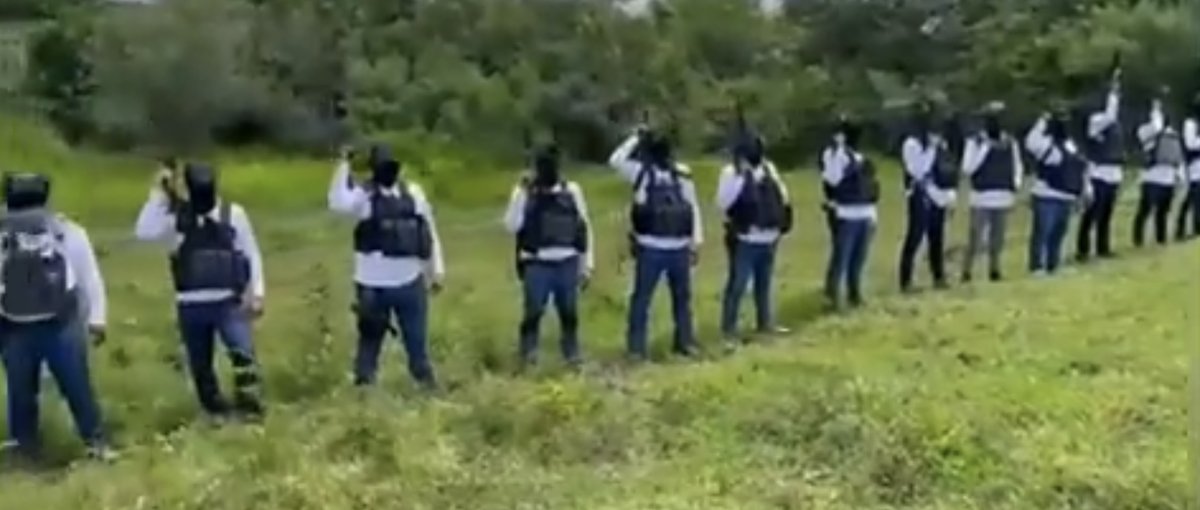
The Jalisco New Generation Cartel (CJNG) stands as a stark reminder of the evolving, brutal landscape of organized crime. Often described as Mexico's most dangerous and powerful criminal organization, the CJNG has cemented its control through extreme violence, sophisticated operations, and a chilling disregard for human life. From its humble beginnings as a splinter group, it has metastasized into a formidable global threat, challenging state authority and leaving a trail of devastation in its wake.
At the heart of the CJNG's terrifying expansion lies a systemic and often brutal approach to recruitment, sometimes brought to light by grim discoveries like those at clandestine ranches. This comprehensive overview delves into the cartel's multifaceted criminal enterprise, its origins, command structure, financial might, and the profound human toll it exacts.
The Genesis of a Modern Cartel: From Splinter to Supremacy
The rise of the CJNG is a modern saga of ruthlessness and rapid expansion. Born in 2009 from the fragmentation of the Milenio Cartel, the group initially branded itself as "Mata Zetas" (Zeta Killers), claiming to be a force against the very abuses—kidnapping and extortion—that would later become hallmarks of its own operations. This initial positioning was a strategic move, cultivating an image of a "righteous" entity battling rival criminal groups.
Within a mere six months, the CJNG defeated its rival, La Resistencia, seizing control of vital smuggling networks. This early success set the stage for an explosive growth that saw the cartel expand its reach coast-to-coast, quickly becoming a major player by 2012. To fully grasp how a fragmented group could become such a dominant force, you might want to dive deeper into its tumultuous beginnings and strategic maneuvers by exploring the Origins and Evolution of CJNG.
Behind the Curtain: Leadership and a Vertical Command
At the apex of this sprawling criminal empire sits Nemesio Oseguera Cervantes, famously known as "El Mencho." His leadership is characterized by a firm, vertical command structure that enables the cartel to operate with chilling efficiency across vast territories. Supported by regional commands and specialized units, the cartel's organization mirrors that of a disciplined paramilitary force.
Key figures like Érick Valencia Salazar ("El 85"), Martín Arzola Ortega ("El 53"), and Emilio Alejandro Pulido Saldaña ("El Tiburón") were instrumental in its founding and early consolidation. This hierarchical model allows for the coordinated execution of its diverse criminal activities, from drug production to extortion rackets. Understanding the individuals who pull the strings and the intricate web of command is crucial for any comprehensive analysis. To gain a deeper understanding of the individuals at the helm and how the organization is structured, you can Explore Leadership and Internal Structure.
The Dark Art of Recruitment: Luring and Forcing New Blood
The CJNG's ability to replenish and expand its ranks is a cornerstone of its sustained power, driven by a blend of voluntary and coercive methods. While some individuals are drawn by the promise of high pay and a perceived "glamorous" lifestyle, the cartel's most alarming tactic involves forced recruitment. This strategy often begins deceptively, with fake job opportunities advertised on social media platforms—roles like security guards offering enticing salaries.
Once lured, applicants are abducted and thrust into brutal training camps, where they are subjected to horrific indoctrination. Those who resist or attempt to escape face severe torture and certain death, transforming them into unwilling participants in the cartel's machinery of violence. Discoveries of clandestine ranches where human remains have been found underscore the grim reality of these recruitment operations, revealing the extent of the cartel's impunity in territories where local authorities may be complicit. This tragic human cost is a constant undercurrent in the CJNG's operations.
Fueling the Empire: Diverse Operations and Massive Revenues
Beyond its human rights abuses, the CJNG is a sophisticated criminal conglomerate with an estimated asset value exceeding $20 billion. Its most profitable activity remains drug trafficking, primarily dealing in cocaine and methamphetamine, with a significant pivot to the highly lucrative fentanyl market. The cartel's extensive presence in over 100 countries internationally allows it to control vast supply chains for illicit narcotics.
However, the CJNG's financial model extends far beyond drugs. They diversify revenue through extortion, targeting legitimate industries like tortilla, avocado, lime, and chicken markets. Fuel theft from national oil company Pemex adds hundreds of millions to their coffers, alongside ventures into counterfeit time-share dealings. This broad portfolio of criminal rackets illustrates a strategic approach to economic dominance. To fully grasp the sheer scale and complexity of how this cartel generates its vast wealth, Explore core operations and revenue. Unlock the details of their financial machinery.
A Pervasive Reach: Territorial Dominance and Strategic Alliances
With a presence in at least 21, and possibly 25, of Mexico's 32 states, the CJNG exerts a formidable control over vast swaths of the country. This widespread influence is attributed to its "capacity for violent action," a style of "irregular warfare," and a calculated strategy of forming alliances with other criminal groups, sometimes employing a "franchise" model in specific territories. They strategically control key ports along both the Gulf and Pacific coasts, crucial for strengthening their illegal drug supply chains.
The cartel navigates a complex web of rivalries with other powerful criminal organizations, including the Nueva Plaza Cartel, the Sinaloa Cartel, and Los Zetas, among many others. Despite these fierce conflicts, the CJNG also forms tactical alliances, such as those with the Cártel del Golfo and La Línea, to further its interests. Understanding this intricate territorial chess game is vital to comprehending Mexico's broader security challenges. To delve into how the CJNG has managed to expand its empire and maintain control across such a wide area, you can Achieve Dominance and Expansion.
The Human Toll: Unrelenting Violence and Societal Upheaval
The CJNG's defining characteristic is its extreme violence. Documented acts include cannibalizing victims during training, the use of military-grade weapons like rocket-propelled grenades, and mass killings. This brutality is not arbitrary; it serves as a terrifying tool for control, intimidation, and maintaining dominance over both rivals and civilian populations. The cartel's emergence directly correlates with significant spikes in homicides, kidnappings, and the discovery of mass graves across Jalisco and beyond.
Beyond direct violence, the cartel employs propaganda, distributing goods during crises like the COVID-19 pandemic and creating online videos to project a "righteous" image and seek public approval. This dual approach of extreme violence and cynical public relations highlights a profound threat to political stability, as evidenced by the targeting of government officials and the killing of numerous political candidates. The pervasive fear and insecurity generated by the CJNG have forced communities to resort to vigilantism in some areas. For a comprehensive understanding of how this violence reshapes society and impacts daily life, delving into the Societal Impact and Violence is essential.
Countering the Cartel: Challenges and Ongoing Efforts
Combating the CJNG is a monumental task, riddled with challenges ranging from police corruption and inadequate law enforcement resources to the cartel's significant paramilitary firepower. Both Mexican and U.S. authorities have intensified their efforts against the CJNG. Operation Python, spearheaded by the DEA, has resulted in hundreds of arrests and significant narcotics seizures, while Mexico's Financial Intelligence Unit has frozen substantial cartel-linked assets.
The arrests and extraditions of high-ranking CJNG members and "El Mencho's" family, including his wife, children, and brother, represent significant blows to the cartel's infrastructure. However, internal conflicts and rumors about "El Mencho's" health have also accelerated infighting, creating new dynamics within the organization. While these actions chip away at the cartel's power, the CJNG remains a dynamic and adaptable threat.
As long as the conditions that foster its growth—poverty, corruption, and the allure of illicit profits—persist, the challenge of dismantling the Jalisco New Generation Cartel will remain one of Mexico's most urgent national security concerns, with far-reaching international implications.